
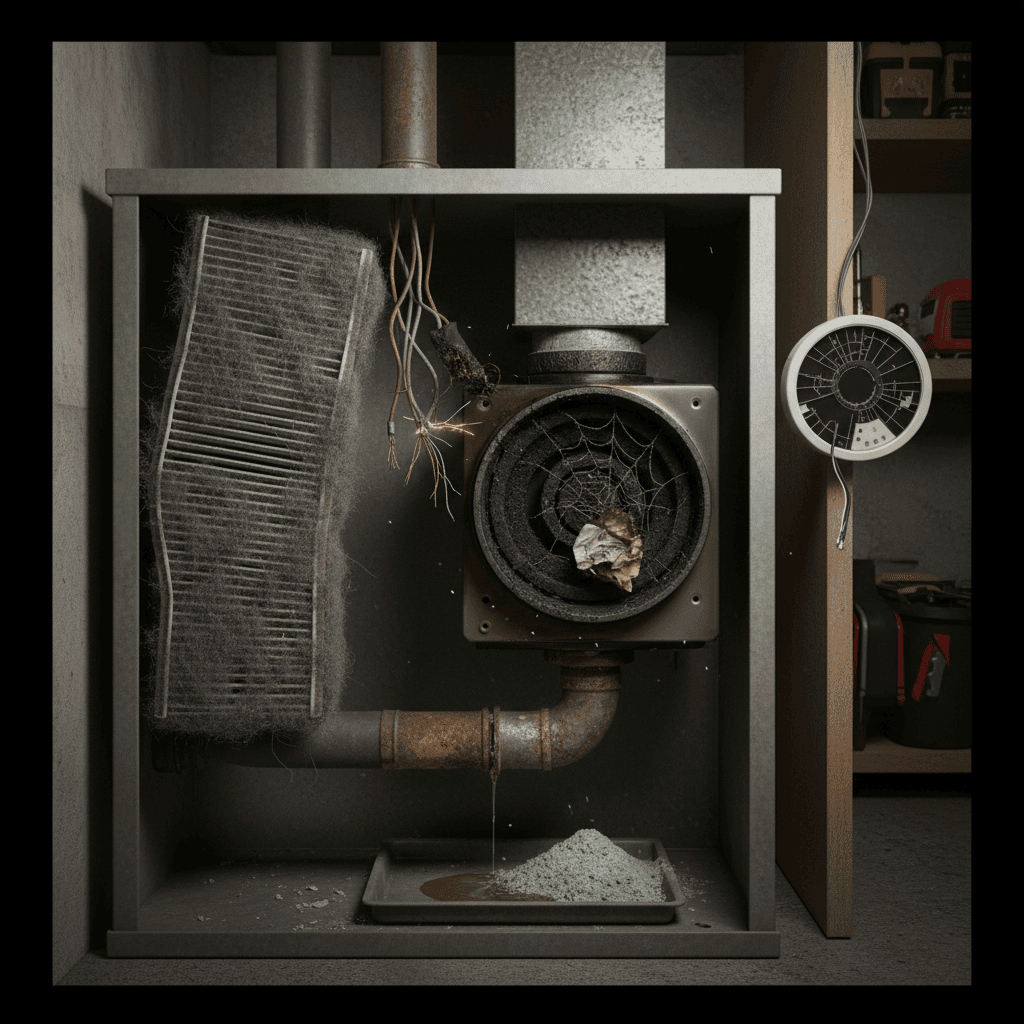
Heater breakdowns rarely happen at a convenient time. A cold shower on a chilly morning can turn a busy day into a scramble to get the unit working again. Understanding the common causes of heater breakdowns gives you a practical edge. You can spot warning signs earlier, decide when to try a DIY fix, and know when to call a technician.
This article lays out the most frequent problems that cause heaters to fail. You will find clear explanations, simple tests you can run, and maintenance steps that reduce the chance of a sudden failure. Examples and tips are included so you can act with confidence when trouble appears.
Common Causes of Heater Breakdowns and How to Recognize Them
Heater breakdowns often result from wear, environmental factors, or small faults that grow worse over time. Some causes are specific to gas units while others affect electric models. Below are the most typical issues and the signs that point to each problem.
Sediment Buildup and Mineral Deposits in Water Heaters
Residential water heaters collect sediment from the supply. Minerals settle at the bottom of the tank. Over months and years this layer builds up. Sediment reduces heating efficiency and can cause the tank to overheat in spots, which leads to early failure.
How sediment forms
Hard water contains calcium and magnesium. When heated, those minerals precipitate out and fall to the tank bottom. If the tank is not flushed periodically the layer thickens. In units with an internal heating element the element can become coated, which reduces heat transfer and speeds wear.
Signs and fixes
- Clicking or popping noises near the base of the tank point to trapped steam and sediment.
- Reduced hot water volume signals that the heated zone has shrunk due to deposits.
- Flushing the tank annually removes most deposits. For heavy buildup a professional flush or chemical cleaning may be needed.
Corrosion and Leaks that Lead to Failure
Corrosion attacks metal parts and creates weak spots that leak. The sacrificial anode rod is designed to slow corrosion. Over time the anode depletes and then the tank shell is exposed to corrosive elements. Corrosion is the most common reason for tank replacement.
Check for puddles or rust stains around the heater. A small drip at a fitting may be repaired, but an active leak from the tank body generally requires replacement. Replacing the anode rod and addressing water chemistry can extend tank life by years.
Faulty Thermostat or Failed Heating Element in Electric Heaters
Electric heaters rely on thermostats and heating elements. Either part can fail and the result is no hot water or water that is too hot. A common symptom is water that is lukewarm or hot in short bursts then cold.
Quick tests you can run
Turn power to the unit off before any inspection. A multimeter can check the elements for continuity. Thermostat settings can be checked and adjusted. If you are not comfortable working with electrical components call a qualified technician.
Replacement and repair options
- Replacing a heating element is a moderate do it yourself job for those with electrical know how.
- Thermostat replacement is straightforward but needs accurate wiring and safe power handling.
- If the element frequently burns out it may indicate poor electrical supply or heavy sediment buildup that causes overheating.
Ignition and Pilot Light Problems in Gas Heaters
Gas units have components that fail differently from electric models. Pilot lights, thermocouples, gas valves, and ignition modules are common trouble points. A unit that fails to light or that goes out repeatedly often has a problem with the pilot assembly or the gas supply.
Check for drafts or insects in the burner area that can block proper combustion. A thermocouple that has degraded will not detect flame correctly and will shut off the gas flow. Replacing a thermocouple or cleaning burner ports often restores normal operation. For gas smell or persistent ignition failure do not attempt repairs without shutting off the gas and contacting a licensed professional.
Electrical Issues and Tripped Breakers That Shut Systems Down
Power problems cause sudden heater loss. Tripped circuit breakers, blown fuses, and loose wiring are frequent causes. Overloaded circuits or aging wiring can create intermittent faults that are hard to diagnose.
- Resetting the breaker may restore service, but if it trips again there is an underlying issue.
- Loose connections at the terminal block can cause arcing and heat, increasing fire risk.
- Have a licensed electrician inspect and upgrade wiring if needed to match the heater requirements.
Age and Wear That Lead to Inevitable Failure
Most heaters have a useful life span. Tank water heaters often last 8 to 12 years depending on water quality and maintenance. Tankless units last longer but also wear out. As components age they become more likely to fail. Parts such as dip tubes, valves, and gaskets lose function over time.
Keeping service records helps you predict when replacement will be more economical than continuing repairs. If costly parts fail on an older unit the total repair cost may approach the price of a new heater with modern efficiency and a fresh warranty.
Preventive Maintenance Tips to Reduce Breakdowns
Regular maintenance is the best defense against sudden heater failure. Simple habits keep the system healthy and make problems easier to catch early. Below are practical steps that most homeowners can perform.
- Flush the tank once a year or more often if you have hard water.
- Test the pressure relief valve annually to make sure it opens and reseals properly.
- Inspect for leaks and corrosion at least twice a year.
- Replace the anode rod when it is 50 percent depleted to slow tank corrosion.
- For gas units keep the burner assembly and vent clear and clean.
- Label the circuit breaker for the heater and check wiring connections at service points.
If you prefer professional service many companies offer inspection packages that include a safety check and minor repairs. For hands on repairs and reliable troubleshooting consider a licensed local provider like Abacus water heater repair which lists services for a range of common heater problems.
When to Call a Professional Technician
Some issues should be handled by a trained technician. Major leaks, gas smells, repeated electrical trips, and complex control failures are examples. Choosing a qualified technician reduces the risk of recurrence and protects household safety.
Ask a potential contractor about licensing, references, and warranty on parts and labor. A clear service report with photos and cost estimates helps you decide what to repair and when replacement is wiser.
Preventing heater breakdowns is about attention and timing. Regular checks and simple maintenance cut the chance of a sudden failure. When problems arise use the symptom list above to guide your first response. Small signs like odd noises, rust, or temperature swings often precede bigger faults. Addressing those early keeps repair costs lower and hot water available longer.
In summary larger failures usually follow a period of smaller warning signs. Sediment, corrosion, electrical wear, and component failure are the main drivers of heater breakdowns. Use the maintenance checklist and quick tests to monitor your system. For complex repairs, gas issues, or persistent faults rely on a licensed technician. If you are facing a breakdown now, arrange a professional inspection and get an estimate before investing in parts. Taking action early saves money and restores service faster. Call for service if you detect leaks, strong odors, or electrical hazards. A timely service visit can get your heater back to reliable operation and reduce the likelihood of another unexpected outage.