
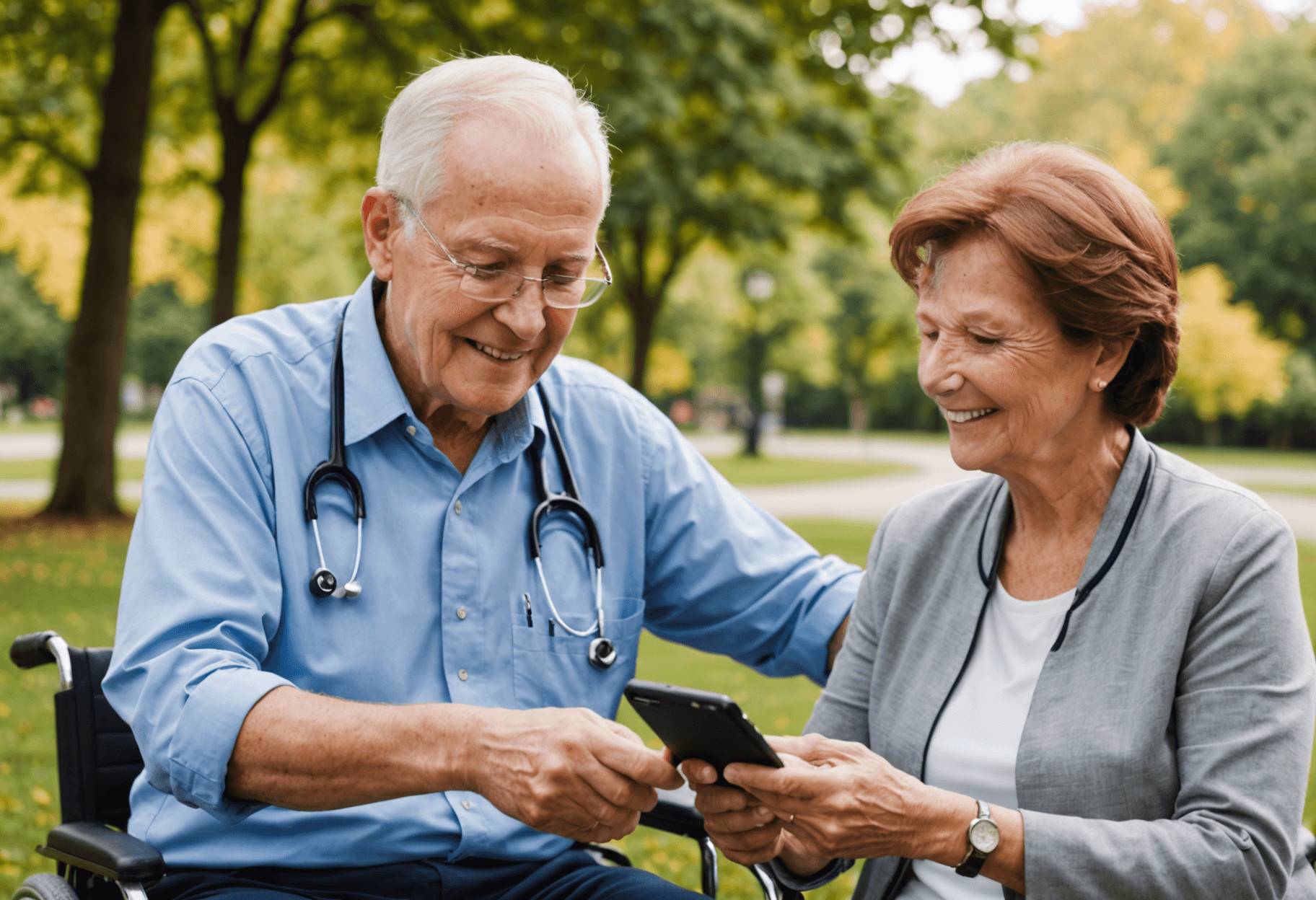
Keeping older family members safe and independent means a lot to people who care about them. New GPS gadgets changed everything by helping track seniors’ locations while letting them enjoy their freedom and giving peace of mind to caregivers. These devices don’t just show where someone is—they can save lives and cut down the stress of looking after aging loved ones. People who want calm in a hectic situation will find out how these smart tools bring true comfort and control.
In today’s fast-paced world, having reliable ways to keep seniors safe while respecting their desire for independence is essential. GPS technology offers a practical solution that blends seamlessly into daily life, allowing caregivers and family members to stay connected and informed. Whether managing dementia, mobility challenges, or just ensuring general safety, understanding the role of GPS in elder care can make a meaningful difference for all involved.
Understanding the Fundamentals of GPS Technology in Elder Care
What is GPS and How Does It Work?
Global Positioning System, or GPS, is a satellite-based network that allows devices to pinpoint their location with remarkable accuracy. Devices equipped with GPS receivers communicate with orbiting satellites to determine their position, which can then be relayed to family members or caregivers through a connected app or platform. This technology has transitioned from being used mainly in navigation and vehicles to becoming a crucial component of personal safety devices.
In elder care, GPS-enabled trackers are designed to be compact, easy to wear, or carry. They continuously update the user’s location, providing real-time data that can be accessed remotely. This capability allows caregivers to quickly determine whether an senior is safe at home, on a walk, or in unfamiliar surroundings.
Key Benefits of GPS Tracking Devices for Seniors
- Improved Safety and Security: Immediate location updates help prevent seniors from wandering or getting lost, especially those suffering from memory issues like dementia.
- Enhanced Independence: Seniors can carry their own devices and enjoy outdoor activities or social outings with reduced concern from family members.
- Peace of Mind for Caregivers: Knowing where their loved ones are at any given time alleviates stress and allows for quick responses during emergencies.
- Emergency Assistance: Many GPS trackers include features like one-touch SOS buttons to quickly summon help when needed.
Different Types of GPS Devices for Elder Care
Wearable GPS Trackers
These small devices can be worn as wristbands, pendants, or clips. Designed for ease of use, they are ideal for seniors who can operate them independently. Some models incorporate waterproof features, long battery life, and simple interfaces, promoting consistent usage without hassle.
GPS Watches with Safety Features
GPS watches offer the convenience of a timepiece combined with location tracking. They often include additional functionalities such as alarms, frequency of location updates, and communication capabilities, making them especially suitable for active seniors who prefer to keep track of their whereabouts silently.
Practical Tips for Implementing GPS Technology in Elder Care
- Choose the Right Device: Consider ease of use, battery life, size, and additional features. Consult with the senior to ensure comfort and acceptance of the device.
- Set Up Accurate Emergency Contacts: Program trusted contacts into the device or app to facilitate quick assistance when needed.
- Educate and Involve Seniors: Explain how the device works and encourage their participation to promote cooperation and comfort with monitoring.
- Establish Usage Guidelines: Determine when and where the device should be worn or carried to optimize safety without infringing on privacy.
- Regularly Check Device Functionality: Charge batteries, update software, and test features periodically to ensure reliable performance.
Privacy Considerations and Ethical Use of GPS in Elder Care
While GPS devices offer significant safety benefits, respecting the autonomy and privacy of seniors is crucial. It’s important to establish clear boundaries and involve them in decisions regarding tracking. Transparent communication about how the information is used will foster trust and acceptance.
Caregivers should also stay informed about data security practices related to GPS apps and platforms. Ensuring these systems are protected from unauthorized access helps safeguard personal information and maintains dignity for the elderly individuals involved.
The Future of GPS and Elder Care Technology
Advancements in GPS technology continue to improve accuracy, battery life, and integration with other smart home devices. Emerging solutions include geofencing—where alerts are generated when a senior leaves predefined safe zones—and integration with health monitoring systems. These innovations aim to make elder care safer, more efficient, and less intrusive.
Real-Life Success Stories of GPS in Elder Care
Many families have shared stories of how GPS devices prevented potentially dangerous situations. For example, in one case, a man with early-stage dementia wandered from his neighborhood. His family received an immediate alert and located him quickly, avoiding a potentially hazardous situation. Such examples highlight the tangible impact of GPS technology in preserving safety and promoting peace of mind.
Conclusion: Taking Action for Safer Elder Care with GPS Technology
Incorporating GPS devices into elder care routines can dramatically increase safety and independence. These tools help families monitor their loved ones proactively while allowing seniors to maintain their routines and enjoy freedom within safe boundaries. It is essential to select appropriate devices, educate users, and respect privacy to create a balanced approach to monitoring. As technology progresses, the options available will become even more refined and user-friendly, making safety more attainable than ever before.
Thinking about making a move towards implementing GPS in your loved one’s care plan? Explore resources and expert insights to understand how these tools can be tailored to your specific needs. explore now how GPS trackers can become a vital part of elder care strategies and help ensure your loved ones stay safe and connected.